The United States Supreme Court has dealt a devastating blow to voting rights in Arkansas and across the country.
In its 6-3 decision in Louisiana v. Callais, the Court gutted Section 2 of the Voting Rights Act — the cornerstone federal protection that has allowed voters of color to challenge discriminatory voting maps and election systems for generations.
For decades, Section 2 served as one of the last remaining legal tools communities could use to fight racial gerrymandering and voter dilution in court. Now, that protection has been dramatically weakened.
The consequences will be felt everywhere. But here in Arkansas, many communities are already living with the reality of political maps that divide, dilute, and weaken Black political power.
Pulaski County — home to the state’s largest and most diverse population center — is split into three of Arkansas’s four congressional districts. Black communities across the state remain underrepresented in legislative bodies, local governments, boards, and commissions that often fail to reflect the people they are meant to serve.
And when decision-making bodies do not reflect our communities, the consequences are real. Policies move us further away from equity instead of closer to it.
This ruling did not happen in a vacuum.
It is part of a broader, decades-long attack on multiracial democracy and voting rights — an effort to roll back hard-fought gains secured through protest, organizing, litigation, and unimaginable sacrifice.
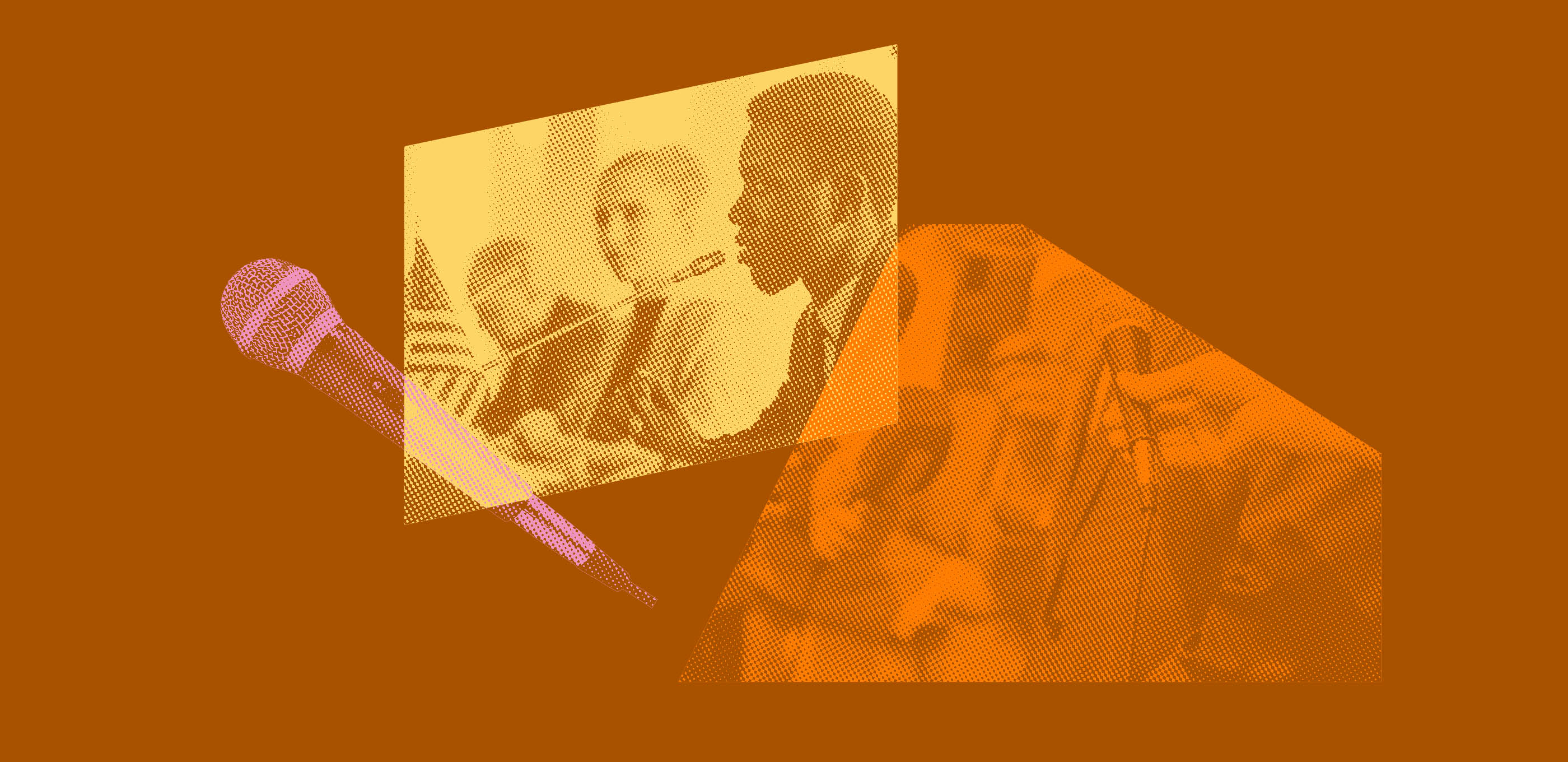
Sixty years ago, Civil Rights Movement leaders marched, organized, and risked their lives to secure the Voting Rights Act. Arkansas played an important role in that history.
Leaders like Wiley Branton and Harold Flowers helped lead efforts to register hundreds of thousands of Black voters in Arkansas and across the South. Their work helped build the momentum that made the Voting Rights Act possible in the first place.
That legacy is now being undermined.
The Supreme Court’s decision in Callais opens the door for lawmakers across the country to enact discriminatory maps and redraw districts for partisan gain with fewer checks than ever before. In some states, politicians moved within hours of the ruling to begin pursuing new maps designed to weaken Black political representation.
These actions are not normal.
Suspending elections after voting has already begun. Calling special sessions to redraw maps mid-decade for partisan advantage. Stripping communities of fair representation because those in power dislike the outcome of democracy. These are transparent abuses of power that threaten the foundation of representative government itself.
And Arkansas is not immune.
In fact, Arkansas courts have already taken steps in this direction. Black Arkansans have spent years fighting for fair representation in legislative districts and election systems that too often minimize their political voice. The weakening of Section 2 will make those fights even harder moving forward.
But this moment — as devastating as it is — cannot be the end of the story.
It must be a call to action.
As Justice Thurgood Marshall once said: “Make it. Protect it. Pass it on.”
That responsibility belongs to all of us now.
So what do we do next?
We organize.
We push for independent and fair redistricting processes.
We ensure every eligible voter is registered, informed, and ready to vote.
We pay attention to local elections and local government bodies that shape our daily lives.
We report irregularities and challenge discrimination wherever it appears.
And we prepare now for the fights ahead — including the looming 2030 redistricting cycle that will shape political power in Arkansas for the next decade.
One word describes this moment best: pivotal.
The future of our democracy will not be decided by courts alone. It will be decided by whether people are willing to show up, speak out, organize, and fight for a democracy where every person counts and every community has a voice.
The struggle for voting rights has never been easy in Arkansas. But generations before us refused to give up — and neither can we.