The Supreme Court ruled in 1969 that students do not "shed their constitutional rights to freedom of speech or expression at the schoolhouse gate." This is true for other fundamental rights, as well.
Immigrant Students' Rights

Every child has the right to an education, regardless of immigration status. Schools are required to provide a safe and inclusive learning environment, free from discrimination based on race, color, or national origin. This section outlines key rights and protections for students and their families, ensuring access to education and safeguarding privacy. Knowing your rights can help you advocate for a fair and supportive school experience.

Education Rights for All Students

  • Schools cannot discriminate against students based on race, color, or national origin.
  • Undocumented children have the right to a free public education and cannot be denied enrollment based on immigration status (Plyler v. Doe, 457 U.S. 202 (1982).
  • Public schools must provide language instruction for students with limited English proficiency.

Enrollment Requirements

  • Schools cannot ask about a student’s or parent’s immigration status. Documents like birth certificates, family bibles, or affidavits can be used to establish age.
  • Schools cannot require a social security number. If collected, schools must explain:
    • That providing it is voluntary.
    • Why the number is being requested.
    • How it will be used. (Family Educational Rights and Privacy Act (FERPA), 20 U.S.C. § 1232g.

Privacy and Protection of Student Information

  • Schools cannot share students' educational records, including immigration status, without:
    • Written consent from a parent or student (if 18 or older).
    • A judicial order or subpoena signed by a judge.
    • Even with an administrative subpoena, schools can challenge its reasonableness through legal counsel.

Best Practices for Schools

  • Collect only essential enrollment information (proof of residency, age, and immunization records.)
  • Avoid questions that could indicate immigration status (e.g., place of birth.)

Law Enforcement and Immigration Agents at School

  • ICE and CBP have a policy of generally avoid enforcement actions in schools, school bus stops, and at educational activities (and also churches and hospitals) without prior approval or exigent circumstances. (ICE Sensitive Locations Memo, 2011.)

If ICE/CBP Agents Arrive
Consistent with the school district’s Plyler obligations, school officials must not affirmatively aid in removing a student from school based upon their immigration status. Instead they should:

  • Direct them to the superintendent.
  • Request written legal authorization (e.g., a judicial warrant signed by a judge.)
  • Deny entry without proper documentation.
  • Refer to the school district’s obligations under Plyler v. Doe.
  • Notify the student’s parent or guardian immediately if a student is detained.
  • Contact counsel for the district before sharing any information.

Building a Safe and Welcoming Environment

  • Schools should reassure families that all students are welcome, regardless of immigration status. Adopting resolutions or public statements can help alleviate fears.
  • Schools should ensure a safe and inclusive environment by:
    • Training staff on legal obligations and immigrant student protections.
    • Committing school police and other partners to avoid immigration enforcement actions.
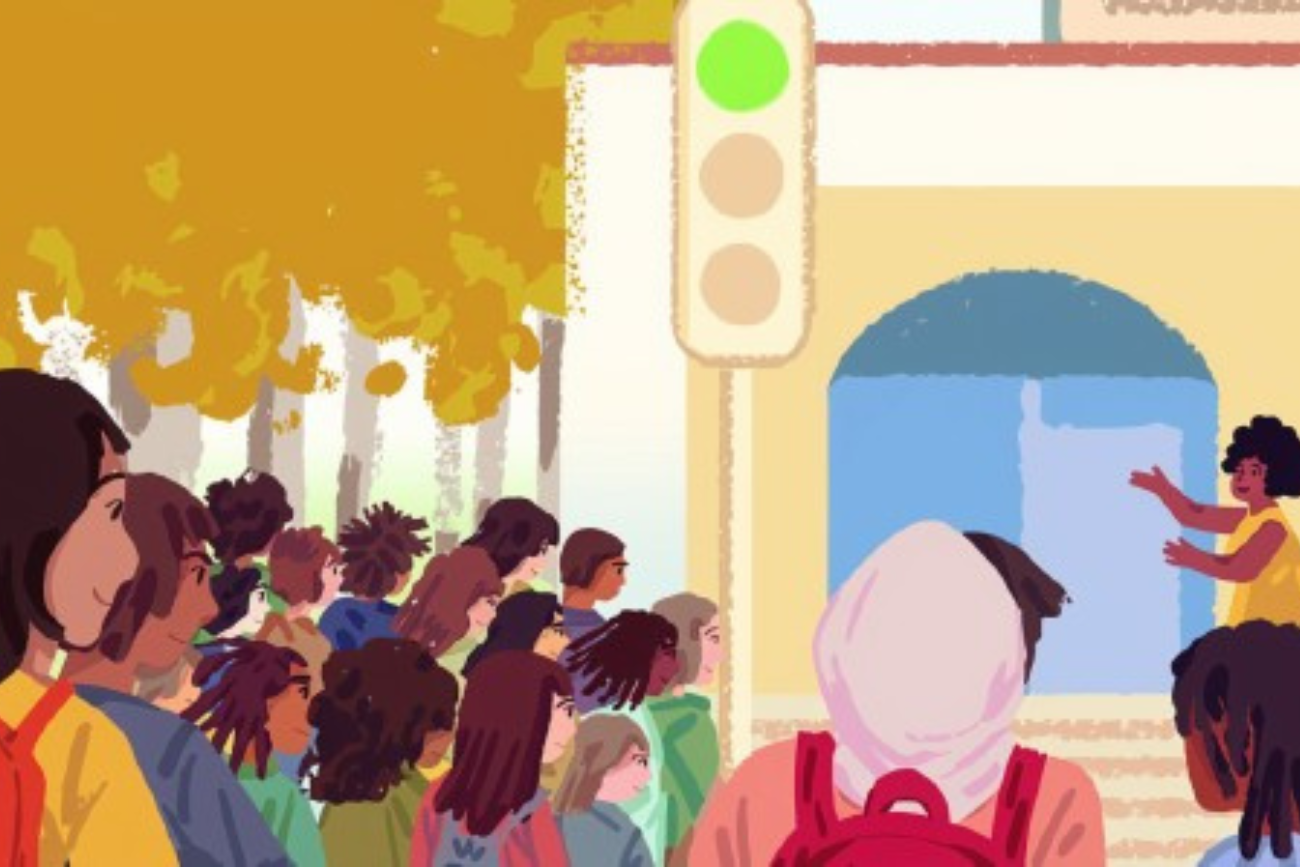
immigrant students cartoon

Related Content


News & Commentary
Apr 14, 2026
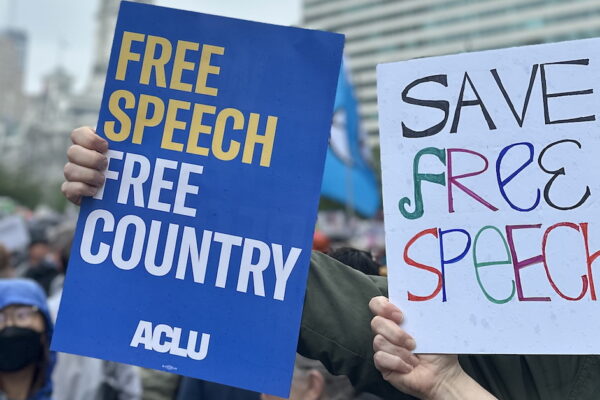
ACLU poster with FREE SPEECH, FREE COUNTRY written in yellow and white letters on blue background.
  • Free Speech

When Universities Silence Speech, They Undermine Themselves

Arkansas universities are failing to protect faculty free speech, undermining academic freedom, due process, and their own core values.
News & Commentary
Mar 19, 2026
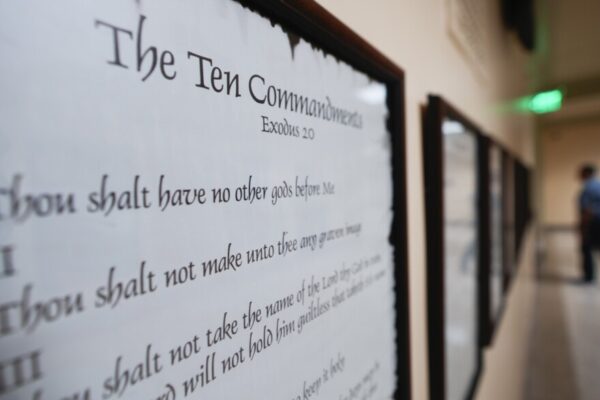
The Ten Commandments displayed on the wall.
  • Religion & Belief|
  • +2 Issues

A Win for Religious Freedom: Why the Court Blocked Arkansas’s Ten Commandments Law

A federal court blocked Arkansas’s Ten Commandments law, affirming students’ religious freedom and limits on government in schools.
News & Commentary
Jul 13, 2026
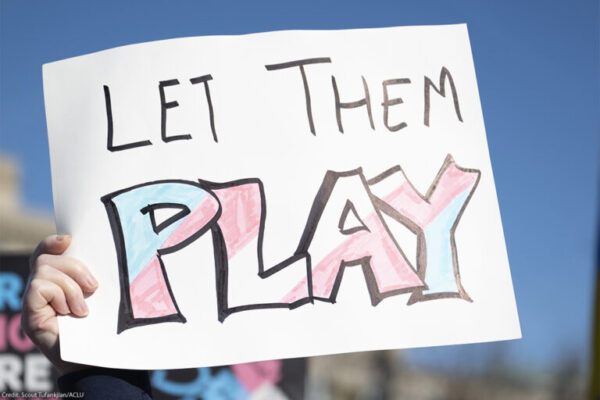
Sign reading Let Them Play in pink, blue and white colors.
  • LGBTQ Rights|
  • +1 Issue

Your Questions Answered: What You Need to Know About the BPJ and Hecox Supreme Court Decision

The Supreme Court recently ruled to uphold laws in Idaho and West Virginia banning transgender women and girls from school sports. Learn how the decision impacts transgender people, families, and educators.

Press Release
Jun 15, 2026
Purple typewriter on white and purple background.

ACLU of Arkansas Urges State to Reject Proposed Library Censorship Rule