
Students' Rights Hub
Last updated: August 6, 2026 05:21 pm

The Supreme Court ruled in 1969 that students do not "shed their constitutional rights to freedom of speech or expression at the schoolhouse gate." This is true for other fundamental rights, as well.




Additional resources:



Related Content
Apr 14, 2026

When Universities Silence Speech, They Undermine Themselves
Arkansas universities are failing to protect faculty free speech, undermining academic freedom, due process, and their own core values.
Mar 19, 2026
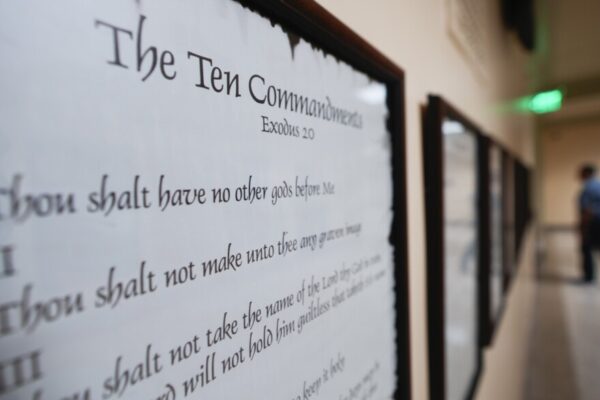
A Win for Religious Freedom: Why the Court Blocked Arkansas’s Ten Commandments Law
A federal court blocked Arkansas’s Ten Commandments law, affirming students’ religious freedom and limits on government in schools.
Jul 13, 2026

Your Questions Answered: What You Need to Know About the BPJ and Hecox Supreme Court Decision
The Supreme Court recently ruled to uphold laws in Idaho and West Virginia banning transgender women and girls from school sports. Learn how the decision impacts transgender people, families, and educators.

Stay Informed
Sign up to be the first to hear about how to take action.
By completing this form, I agree to receive occasional emails per the terms of the ACLU’s privacy statement.
By completing this form, I agree to receive occasional emails per the terms of the ACLU’s privacy statement.