Disabilities

The ACLU is striving for an America free of discrimination against people with disabilities, where they are valued, integrated members of society with full access to education, homes, health care, jobs, voting, and beyond.
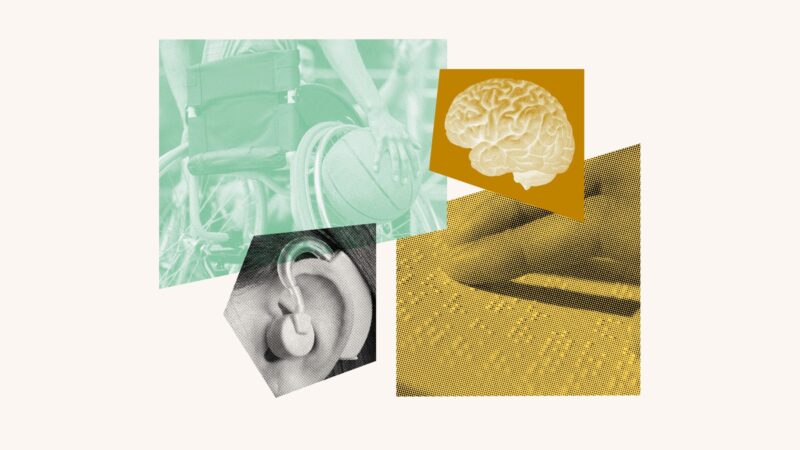
Disability rights graphic

What you need to know:

  • 70% of public school students who are physically restrained or secluded have disabilities.
  • 60% of people in local jails have some form of mental disability.
  • 48% of people with disabilities have a personal income of $15,000 or less.


There are federal laws that can provide protection from discrimination, segregation, and exclusion. Know your rights.


July is Disability Pride Month.

The Latest


Press Release
Yellow gavel

Federal Court Grants Class Certification and Blocks Unconstitutional Arkansas Parole Revocation Practices
Court Cases: Fason v. Hamlet
News & Commentary
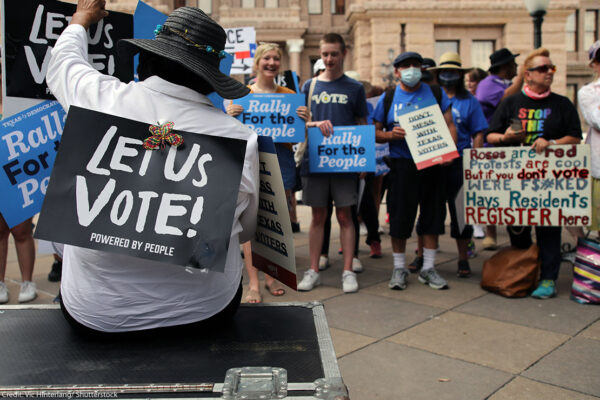
let us vote protesters

Accessible Voting is Under Attack 35 Years After the ADA
From restrictive legislation to inaccessible polling places, barriers persist that undermine the rights of voters with disabilities.
News & Commentary
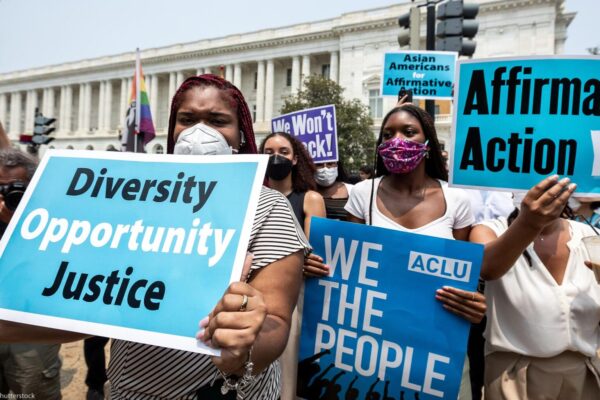
Diversity Opportunity Justice Protestors

DEI and Accessibility, Explained

Across the country, right-wing groups are working to dismantle long-standing anti-discrimination protections and statutory mandates by targeting what they broadly refer to as diversity, equity, inclusion, and accessibility (DEIA). These attacks on DEIA are not new.

Cases, Campaigns & Legislation


Court Case
Feb 2, 2026

Fason v. Hamlet

On February 2, 2026, a group of incarcerated Arkansans filed a class action lawsuit against the Arkansas Post-Prison Transfer Board (PPTB) and the Arkansas Department of Corrections (ADC) challenging parole revocation practices that routinely deny people their constitutional right to due process. Parole revocation can result in someone being sent back to prison for months or even years. The U.S. Supreme Court has made clear that when the state seeks to revoke parole, individuals are entitled to basic procedural protections — including the right to a fair hearing, the ability to present evidence and witnesses, and, in some circumstances, the right to legal counsel. Despite these longstanding legal requirements, Arkansas’s parole revocation system systematically fails to provide these protections. The lawsuit alleges that people on parole are frequently pressured or coerced into waiving their right to a revocation hearing, denied access to attorneys, and blocked from presenting evidence or witnesses in their defense. For people who do proceed to hearings, the process is often rushed, opaque, and fundamentally unfair. Individuals with disabilities are also regularly denied reasonable accommodations, preventing them from meaningfully participating in proceedings that determine their freedom. As a result of these unconstitutional practices, thousands of Arkansans have been returned to prison through a system that prioritizes speed and punishment over fairness and accountability — fueling mass incarceration while undermining public safety. The plaintiffs seek to stop these unlawful practices and to ensure that parole revocation proceedings in Arkansas comply with the Constitution. The case aims to bring transparency, fairness, and due process to a system that has operated with little oversight for far too long. The plaintiffs are represented by the ACLU of Arkansas, the MacArthur Justice Center, and Latham & Watkins.