Long-term planning is vital to success in civil rights advocacy work, said ACLU President Deborah Archer during her first visit to Arkansas earlier this month.
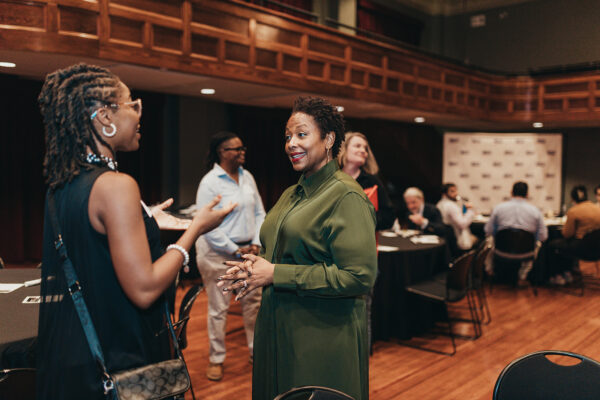
She and the ACLU of Arkansas hosted a book signing at WordsWorth Books in Little Rock and an evening discussion at Mosaic Templars Cultural Center in Little Rock. Archer also visited the Little Rock Central High School National Historic Site.
“Our plans are measured in centuries,” Archer said during the evening talk, referring to a quote from the science fiction blockbuster Dune. She also described the ACLU’s mission as “bridging the gap between the America that’s promised and what it is.”
One poignant example she brought to her on-stage discussion with Holly Dickson, executive director for the ACLU of Arkansas, was the path to the groundbreaking Brown v. Board of Education that led to the desegregation of K-12 schools. Decades before that case was brought were incremental legal victories that proved law schools and graduate schools could not be “separate but equal.”
Archer said advocates must consider where we want to be in 100 years and work backward from there to set immediate priorities. She said we must give future generations what they need to succeed by establishing legal precedents and by recognizing and resourcing young people’s talents for leadership.
She noted that the ACLU does not achieve its goals through litigation alone. The organization practices integrated advocacy — exercising our rights under the First Amendment, organizing and public education, shifting narratives, championing critical legislation, fighting harmful policies in the legislature, and working through the courts — Archer said.
The ACLU is leaning into empowering people in their communities, she said. One example of this at play is the ACLU’s People Power initiative, which helps connect supporters across the country to protests near them and engages them in other local organizing and action taking opportunities.
Archer and Dickson noted how critical partnerships with other organizations are, including for addressing specific matters such as racial justice, voting rights, reproductive liberty, but also for stopping authoritarianism and ensuring America has a democracy that serves all people.

Mazjai Oates listens to ACLU President Deborah Archer speak at the Mosaic Templars Cultural Center in Little Rock on Oct. 7.
Jenn Terrell
Racial Justice Work
Archer shared one of her terrifying experiences with systemic racism: having “KKK” spray-painted across her childhood home and the family’s car while they were living in a white suburb outside Hartford, Connecticut.
She said experiences like that drove her to pursue racial justice work, and she highlighted the ongoing need for the ACLU to engage in such work during her visit.
Archer also shared that she is the first person of color to serve in her position at the ACLU and the daughter of immigrants.
[READ MORE: Meet Deborah Archer, ACLU National Board President]
Her many accolades include authoring Dividing Lines: How Transportation Infrastructure Reinforces Racial Inequality, and Archer spoke at length about that topic at the book signing.
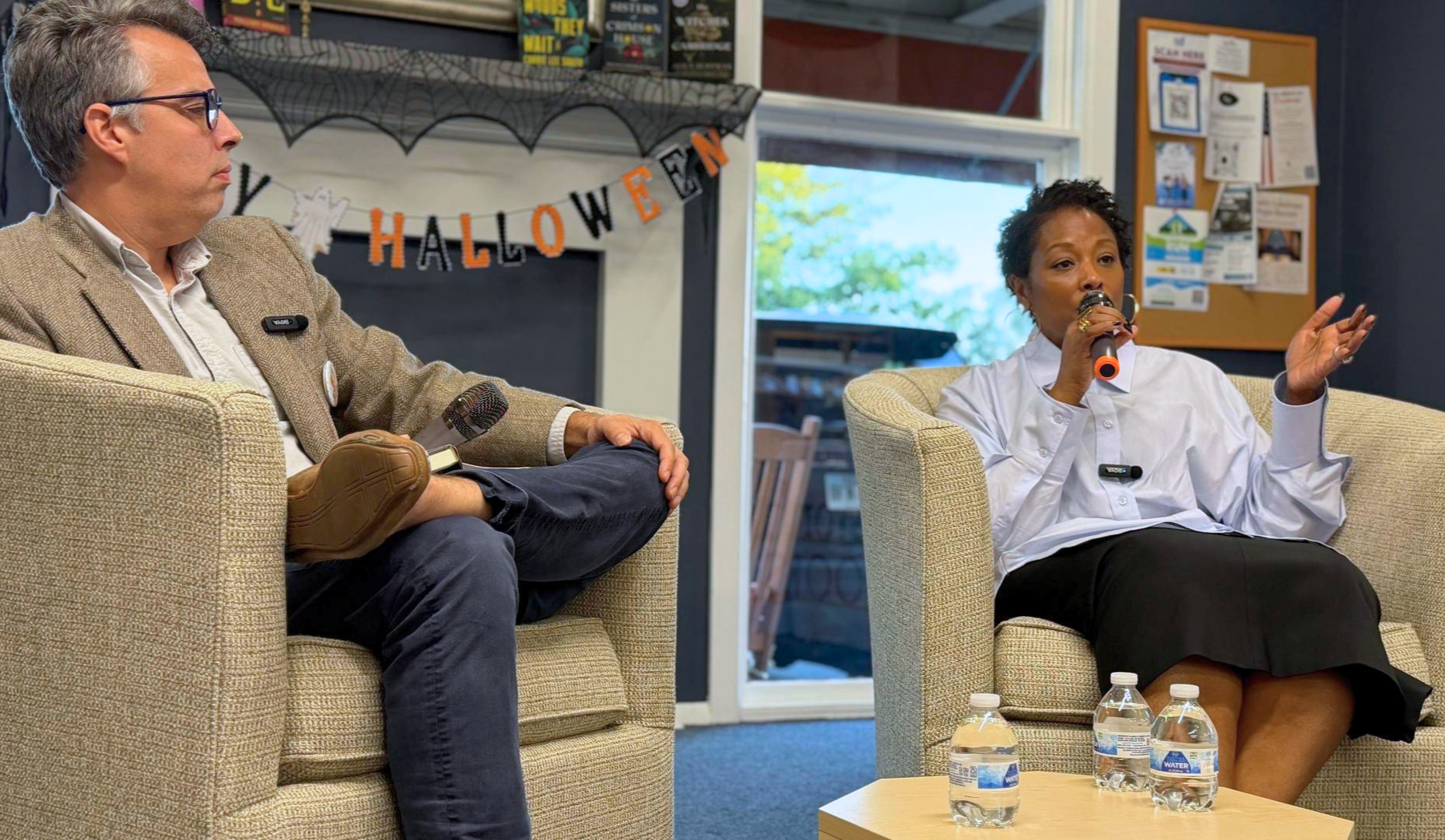
ACLU of Arkansas Legal Director John Williams and ACLU President Deborah Archer speak during her book signing event.
Holly Dickson
She said while discriminatory practices such as redlining are more well known, “what we ignore are the physical lines that divide and destroy our communities” and the effects of the Interstate Highway Act.
That Act was abused by local governments across the nation to resist desegregation ushered in by the Brown v. Board of Education decision in 1954.
Interstate 630, for example, delivered a tremendous blow as it was built through Little Rock’s longstanding Black business district on Ninth Street and exacerbated racial divides. Archer agreed this kind of story has been repeated throughout the United States.
“The narrative we’re told is that these highways went through blighted areas, and areas that were run down,” she said. “But, in fact, when you talk to folks who lived in those communities, the highways destroyed very vibrant — economically vibrant, socially vibrant — communities that were the fabric of Black communities around the country.”
Archer added that in Little Rock as well as other places, a pattern we see is that the way highways were built was just one of many tools used to promote racial segregation.
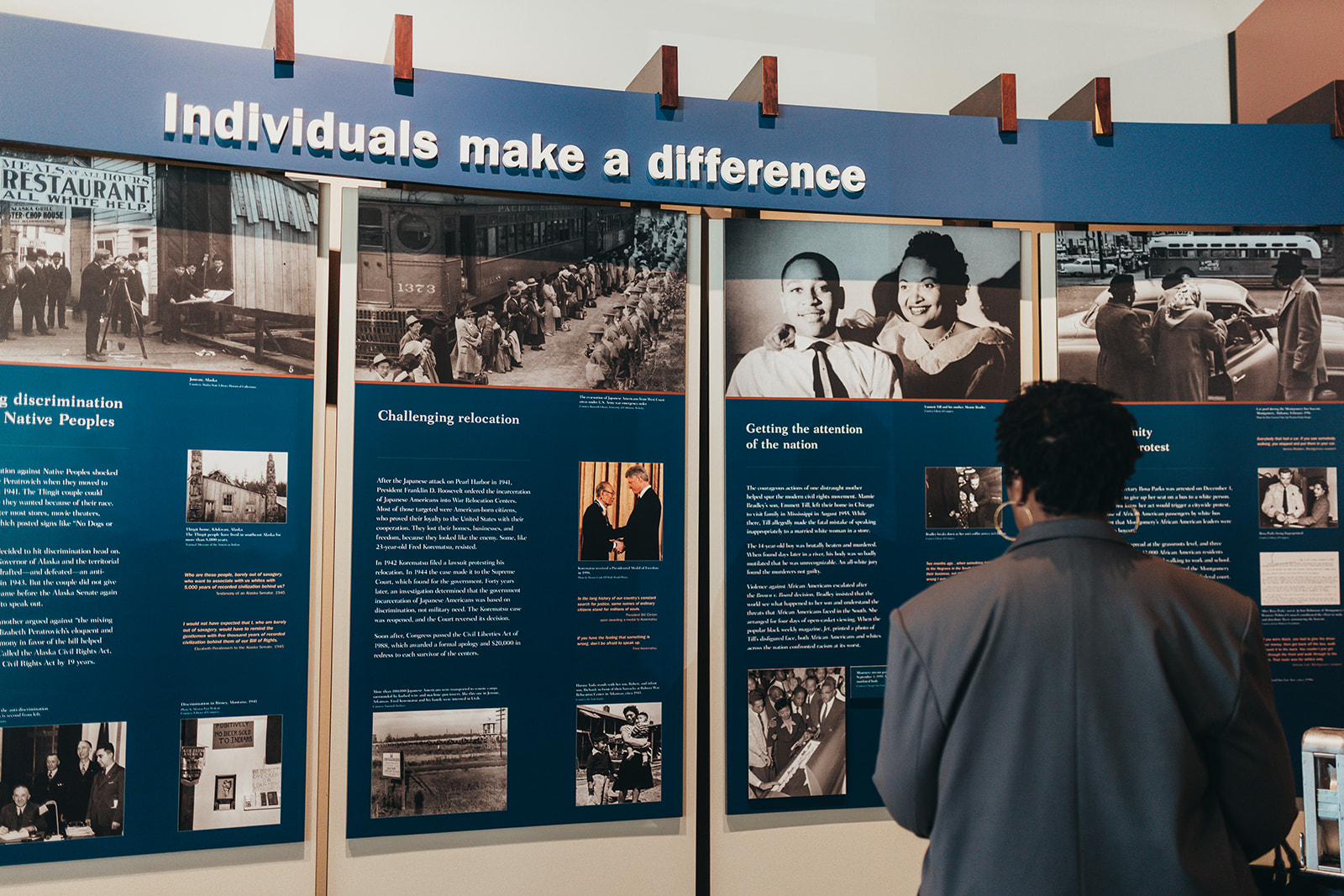
ACLU President Deborah Archer views an exhibit at the Little Rock Central High School National Historic Site.
Jenn Terrell
Archer also said sidewalks in Black and brown neighborhoods are often poorly built, neglected, and left unusable. Rather than repair them, officials have emphasized over policing of pedestrian traffic, a response she said has contributed to incidents such as the 2014 killing of Michael Brown by a police officer in Ferguson.
Brown had been walking in the street when he was initially confronted. His death sparked nationwide Black Lives Matters protests.
Atlanta, Archer noted, went as far as building a mid-street wall; other transportation mechanisms used to reinforce racial disparity include one-way and dead-end roads and cul-de-sacs.
Today, she said, as aging transportation infrastructure is repaired, replaced, or expanded, efforts must be made to do things differently. The infrastructure planned now is designed to last 100 years.
“You do see that, in places, highways are being torn down where they can be and replaced with a street grid. We are seeing highways being capped to reconnect the communities that have been divided. We are seeing highways being embedded so that life can continue above the surface,” Archer said. “We’re seeing communities that have taken these overpasses and turned them into vibrant community spaces with murals and art or markets.
“So, the different ways we are seeing resistance is just incredible and beautiful.”
She also said, in many cases, environmental laws have been more effective than civil rights laws at rerouting highways.
Using those tools, along with attending public hearings and asking questions, are among the ways advocates can help going forward, Archer said.
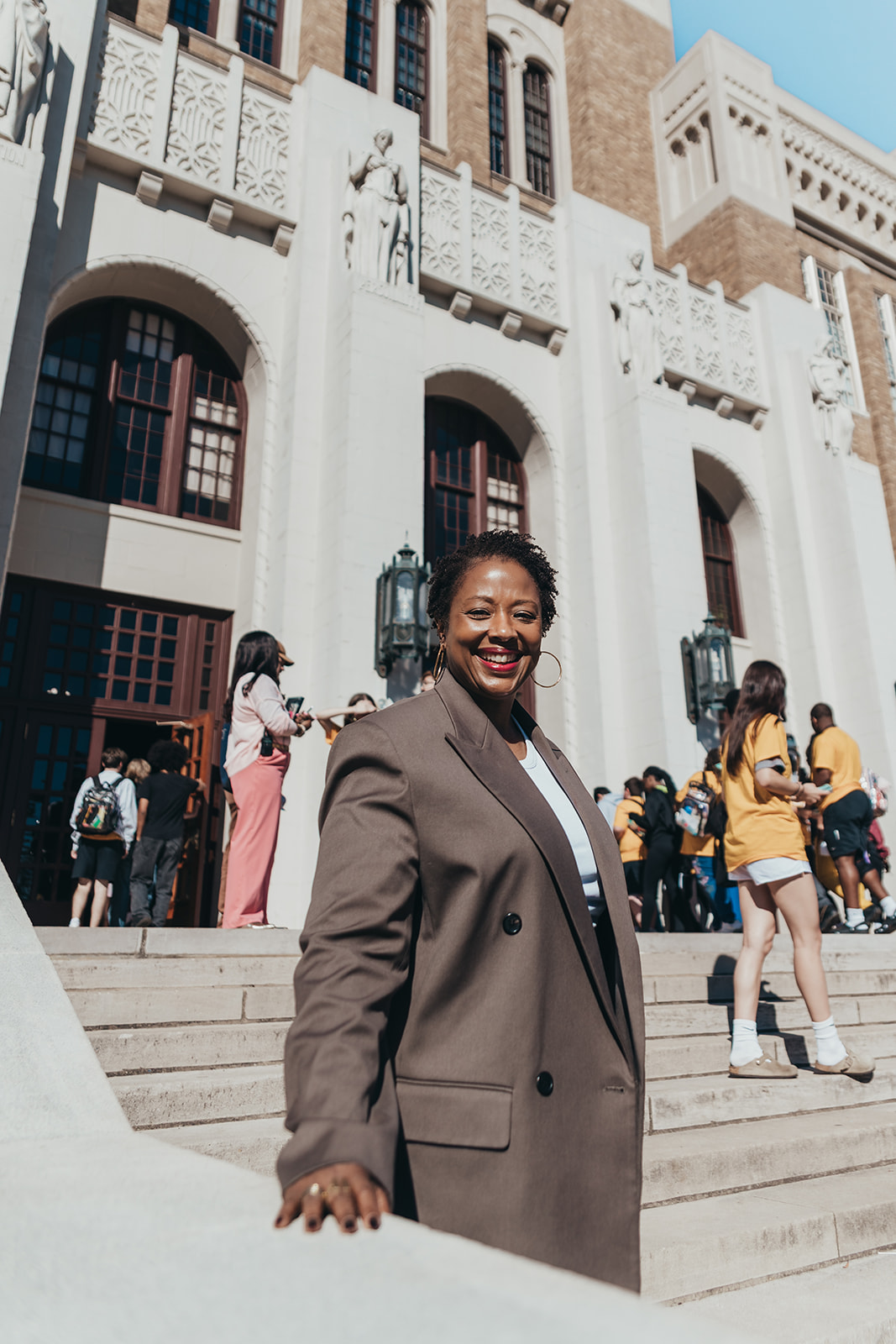
ACLU President Deborah Archer poses for a photo at Little Rock Central High School.
Jenn Terrell
Plans for the Midterms
Archer spoke about the upcoming midterms during the evening discussion. She said, “yes, there will be an election, but people are right to be concerned. Fear is not a plan. Fear is not an option.”
The ACLU has invested more than $24.5 million in a historic election safeguarding program. The organization also has rapid response plans ready to go across the nation for differing election scenarios.
Dickson encouraged the audience to vote early and in person if they can, and to contact the ACLU of Arkansas at www.acluarkansas.org/get-help or call or text the election protection hotline if they experience or observe a voting issue (1-866-OUR-VOTE / 866-687-8683 or 888-VE-Y-VOTA / 888-839-8682 ).
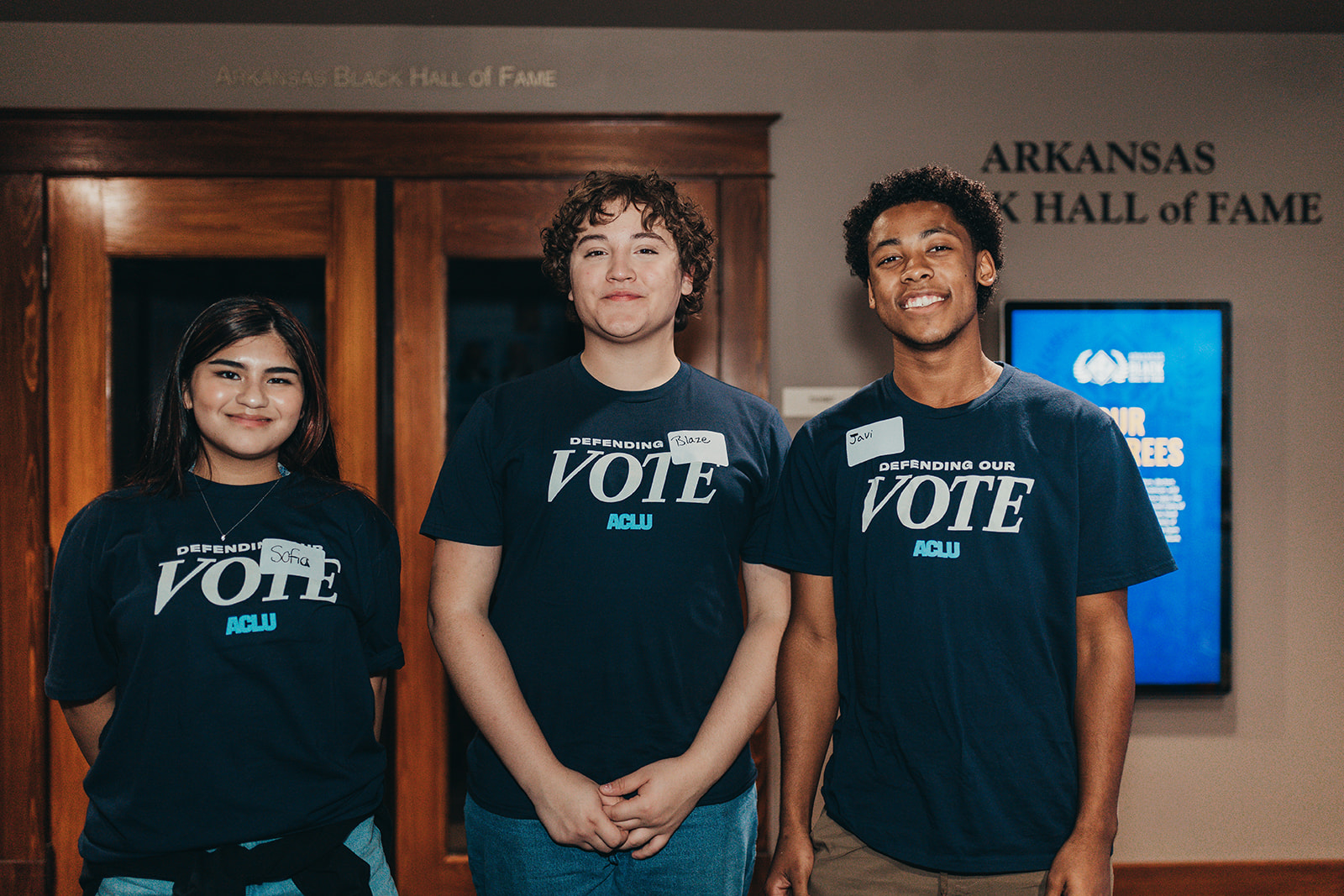
ACLU of Arkansas volunteers Sofia, Blaze and Javi pose for a photo during the Evening with Deborah Archer event.
Jenn Terrell
Combatting Authoritarianism
Archer said that no matter who is in the oval office, there have always been threats to civil rights and liberties.
When Donald Trump was elected, he promised disorganized chaos, she said. The best way to fight that? “Organized resistance,” Archer said, adding that the ACLU is “winning 70% of the time” as it challenges the authoritarian playbook step-by-step. The organization has filed 437 legal actions against the Trump administration — surpassing the 434 legal actions we took during Trump's entire first term.
One ACLU victory she cited was for birthright citizenship. The ACLU filed suit two hours after Trump signed his executive order in 2025 attempting to end this longstanding right, and the U.S. The Supreme Court recently ruled that order was unconstitutional.
The ACLU filed another federal lawsuit last month, challenging Trump’s new executive order targeting birthright citizenship.
Additional cases have challenged the use of the Alien Enemies Act to deport people without due process, defend people targeted for exercising their First Amendment rights, fight for the preservation of Head Start, and stop the imposition of new restrictions on mail ballots for the November election
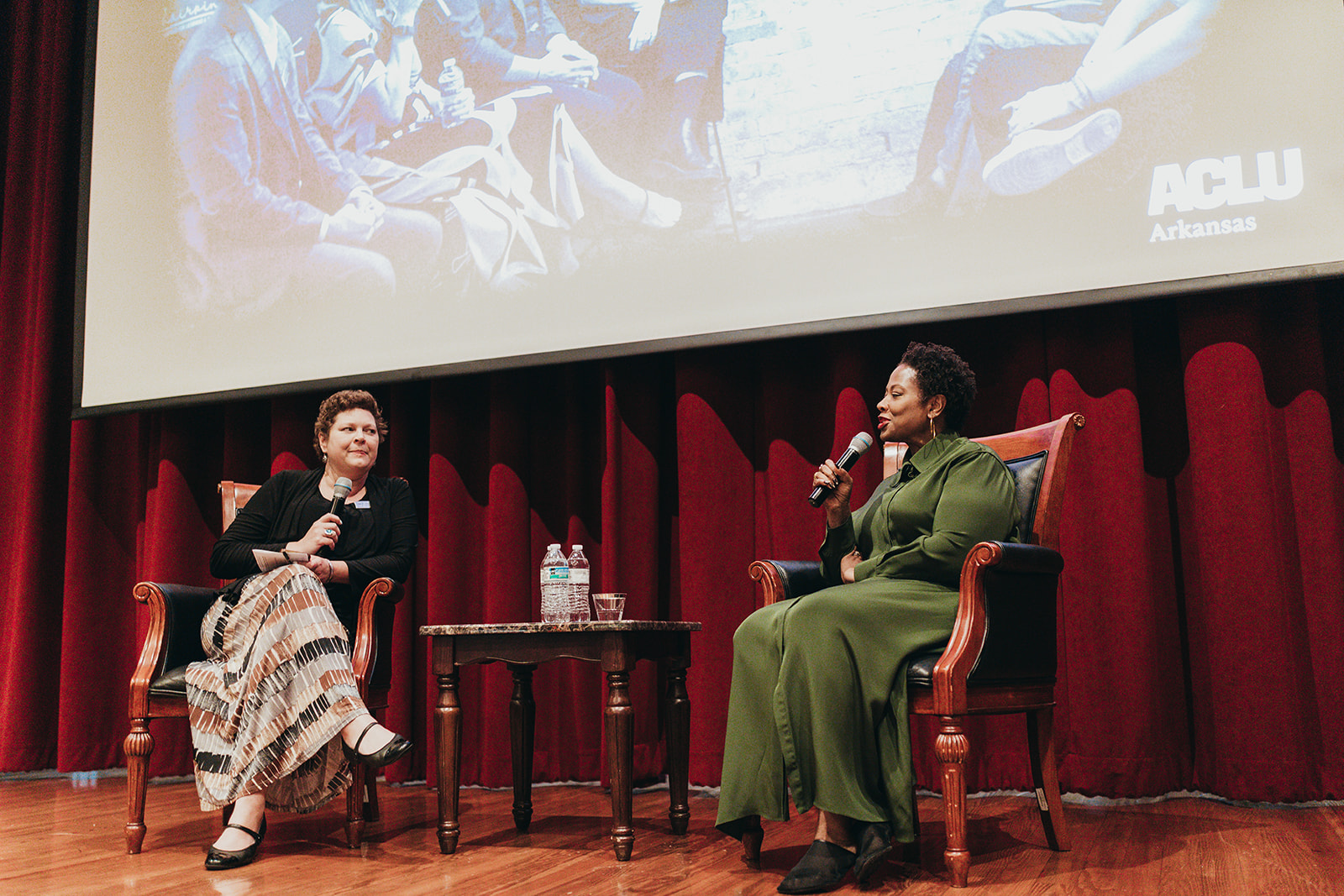
Holly Dickson, executive director for the ACLU of Arkansas and ACLU President Deborah Archer talk on stage.
Jenn Terrell
Young Leaders Needed
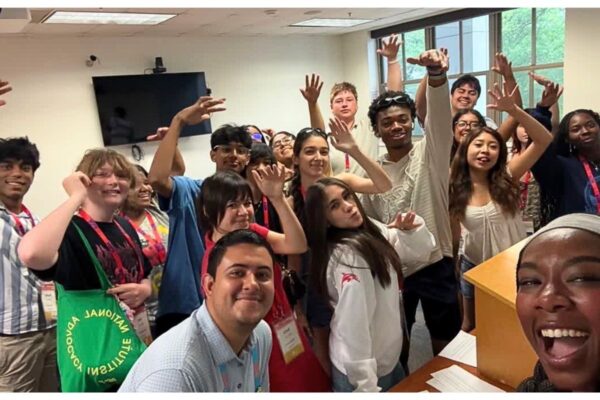
Archer also noted the over 1,100 students who attended the ACLU’s National Advocacy Institute this past summer. She said the program provides young people with the knowledge, skills, and community necessary to take leadership roles in social movements.
[READ MORE: Arkansas Students Learn, Lobby and Lead at ACLU National Advocacy Institute]
A similar program for college students — the ACLU College and Community Program — is held in January.
Asked for a message of hope, she said advocates have accomplished so much and have so many more resources today than those who came before.
It is our responsibility to lay the groundwork for those who come next, Archer concluded, providing them with tools, resources, and space to lead.
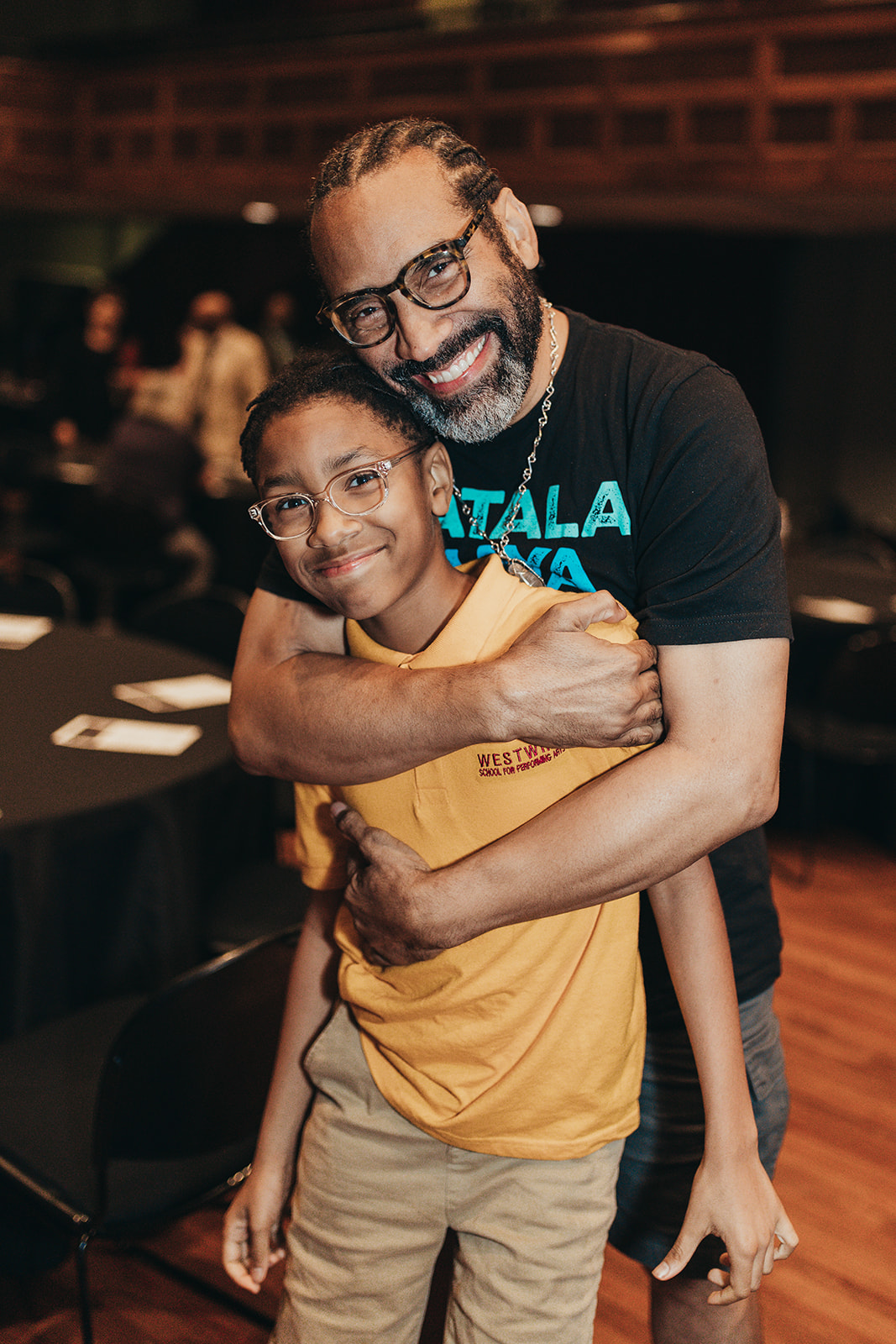
Kwami Abdul-Bey attended An Evening with Deborah Archer with his son, Lorne.
Jenn Terrell
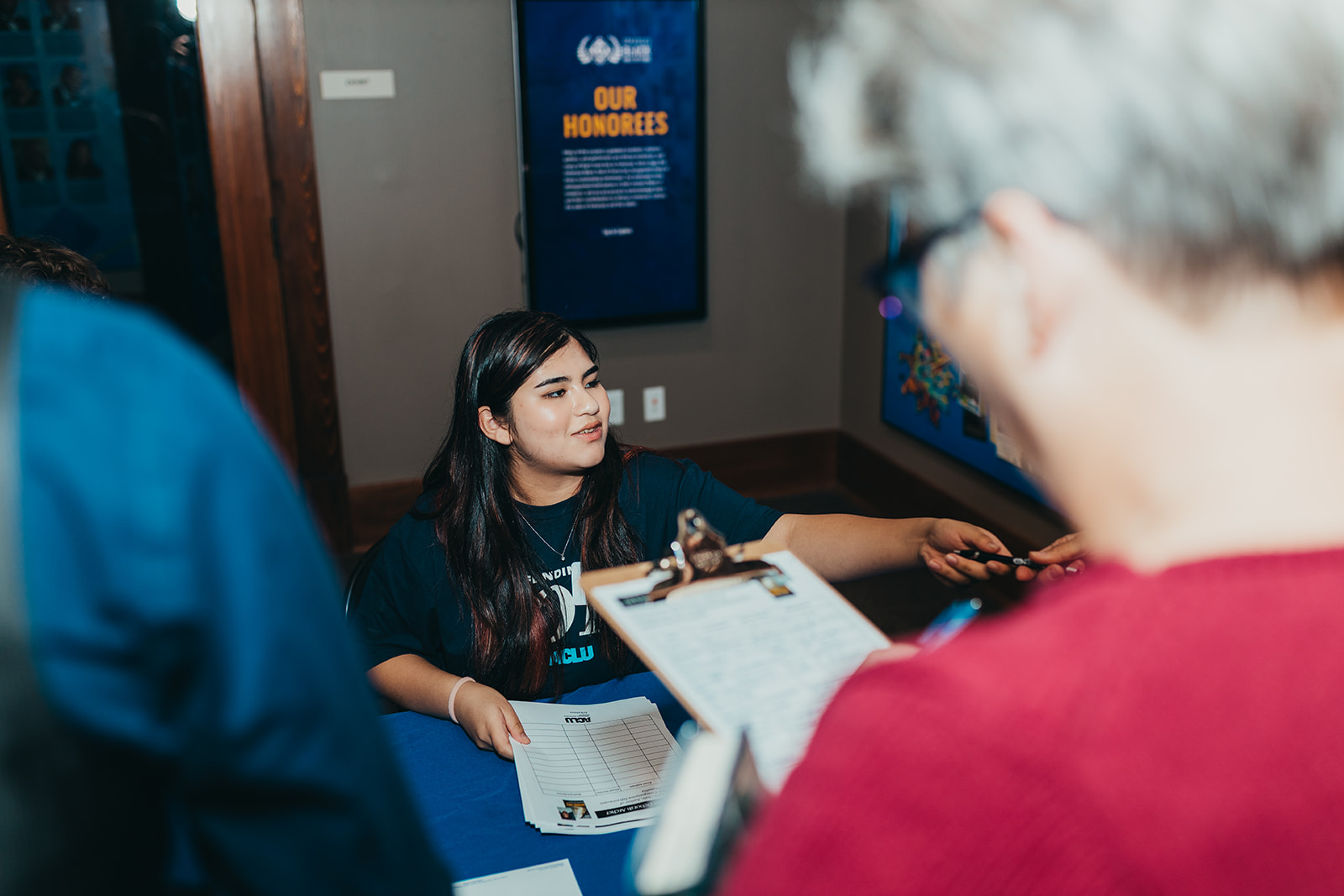
ACLU of Arkansas volunteer Sofia checks people in for the Evening with Deborah Archer event.
Jenn Terrell